
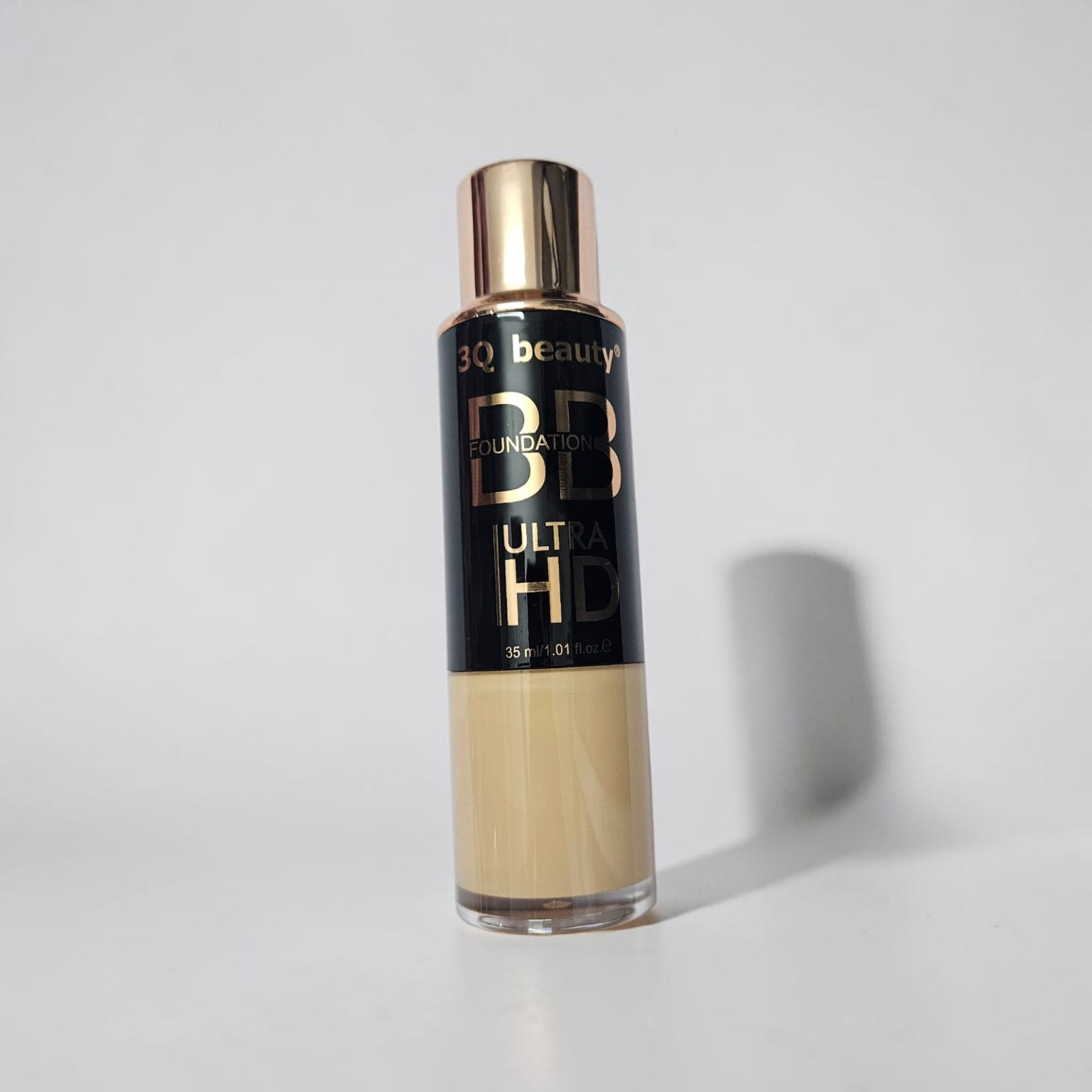
Most foundation disappointments in India are not formula problems; they are shade and undertone problems. A base that is too pink, too yellow or too light turns grey, orange or ashy on Indian skin, however expensive it is. Get the shade and undertone right and even an affordable foundation looks like skin.
This guide walks you through finding your undertone, matching your shade at home in daylight, choosing a finish for your skin type and Indian weather, fixing foundation that turns darker after you apply it, and colour-correcting dark circles and pigmentation.
Step 1: find your undertone
Your undertone is the colour under the surface of your skin. These are the quick checks makeup artists use. They are practical rules of thumb rather than medical tests, so use two or three together and go with the majority.
| Check | Warm or olive | Cool | Neutral |
|---|---|---|---|
| Veins on the inner wrist | Green | Blue or purple | Mix of both |
| Jewellery that flatters | Gold | Silver | Either |
| White t-shirt test | Skin looks yellow or golden | Skin looks pink | No strong shift |
| Sun reaction | Tans easily | Burns, then reddens | Tans slowly |
In practice, many Indian complexions read warm, golden or olive. Olive is the one people miss: a green-grey cast under a golden surface. If yellow-based foundations still look slightly orange on you, you are probably olive and need a shade with a little more depth rather than more yellow.
Step 2: find your depth with a shade finder
Depth is how light or deep your skin is. Use this table to narrow down where to start, then confirm with the daylight test in Step 3.
| Your skin | Usually described as | Look for | Avoid |
|---|---|---|---|
| Fair | Fair, porcelain | Ivory or cream with a slight warm or neutral base | Very pink shades, which look flushed |
| Light | Light, light-medium | Warm beige, light sand, peach beige | Grey-beige shades, which look ashy |
| Medium | Wheatish | Honey beige, golden beige, warm sand | Shades lighter than your neck |
| Tan | Wheatish-brown | Golden tan, caramel | Pink-based beige, which turns grey |
| Deep | Dusky, deep | Rich caramel, warm tan, deep golden | Light or white-based shades, which look chalky |
Our liquid concealer comes in 12 named shades that map onto this range, which makes it a useful reference even if you buy foundation elsewhere:
| Depth | Concealer shades to try |
|---|---|
| Fair | Shade 12 Alabaster Ivory, Shade 08 Fair Cream, Shade 06 Fair-Light Beige |
| Light | Shade 05 Light Warm Beige, Shade 09 Light Neutral Beige, Shade 07 Light Sand |
| Light to medium | Shade 04 Light-Medium Peach Beige, Shade 10 Soft Light-Medium Beige |
| Medium (wheatish) | Shade 03 Warm Honey Beige |
| Tan | Shade 02 Medium Golden Tan, Shade 11 Rich Terracotta Caramel |
| Deep | Shade 01 Deep Warm Tan |
Step 3: match the shade at home
- Swatch three shades side by side along the jawline, never on your hand. Your hand is usually a different depth from your face.
- Blend all three with a finger and step outside or to a window. Daylight tells the truth; shop tubelights and phone torches both mislead.
- The correct shade is the one you cannot see. Grey means too cool, orange means too warm, and a visible line at the jaw means too light or too dark.
- Match your neck and chest, not just your face. A face lighter than the neck is one of the most visible makeup mistakes in photographs.
- Re-check your shade when the seasons change. Many people tan in summer and need a slightly deeper shade or a drop of a deeper concealer mixed in.
Why does my foundation turn darker or orange after I apply it?
This is called oxidation. Some foundations react with air and the oils on your skin and deepen or turn slightly orange within about 15 to 30 minutes. It is especially noticeable on oily skin and in hot, humid weather.
- Test before you judge. Swatch on the jaw and check the colour again after 20 to 30 minutes, not straight away.
- Go slightly lighter if it oxidises. If a foundation reliably deepens on you, choose the shade that looks a touch light at first.
- Use a primer. A primer between skin and foundation reduces contact with oil.
- Blot before touching up. Adding powder on top of oil speeds up the colour change.
Step 4: pick coverage and finish for your skin type
| Skin type | Best finish | Best formula | Tip |
|---|---|---|---|
| Oily | Matte or natural-matte | Long-wear liquid or cream-to-powder | Prime the T-zone and set it with powder |
| Dry | Satin or natural | BB foundation or a hydrating liquid | Moisturise first and skip heavy powder |
| Combination | Natural | Buildable liquid or BB foundation | Powder only where you get shiny |
| Acne-prone | Natural-matte | Lightweight liquid plus spot concealer | Keep sponges and brushes clean; remove makeup every night |
| Mature | Satin | Light liquid, thin layers | Avoid heavy powder, which settles into lines |
Foundations and bases in the Glohaze catalogue
Live prices from our catalogue. The 2-in-1 foundation comes in four shades (B1 to B4) and the concealer in the 12 shades listed above.
| Product | Price | Buy Now |
|---|---|---|
| Ultra HD BB Foundation (with Applicator) | ₹310 | Buy Now ↗ |
| 2-in-1 Foundation + Concealer (24Hr Matte) | ₹250 | Buy Now ↗ |
| 2-in-1 Cream-to-Powder Foundation & Compact | ₹260 | Buy Now ↗ |
| Liquid Concealer (Any 1 Shade) | ₹135 | Buy Now ↗ |
| Liquid Illuminating Primer | ₹150 | Buy Now ↗ |
Prices checked October 20, 2026 from the Glohaze catalogue. Final price at checkout may differ.
| You want | Choose | Finish |
|---|---|---|
| Everyday, natural | Ultra HD BB Foundation | Skin-like, buildable |
| Oily skin, long day | 2-in-1 Foundation + Concealer, 24Hr Matte | Matte |
| Quick touch-ups on the go | Cream-to-Powder Foundation & Compact | Natural matte |
| Spot coverage only | Liquid Concealer, 12 shades | Medium to full |
How do I cover dark circles and pigmentation on Indian skin?
Dark circles and pigmentation on warm and deeper Indian skin often have a blue, grey or brown cast that foundation alone turns grey. Colour correcting fixes this:
- Light to medium skin: a peach-toned corrector under the eyes cancels blue-grey darkness.
- Tan to deep skin: an orange or terracotta-toned corrector cancels deeper grey-brown darkness.
- Apply a thin layer only where it is dark, tap it in, then add concealer or foundation on top.
- Our concealer shades with warm, peachy or terracotta names (for example Shade 04 Light-Medium Peach Beige or Shade 11 Rich Terracotta Caramel) can double as a correcting layer under a lighter concealer.
Step 5: make it survive Indian weather
- Prime where you get oily. A light primer grips the base and helps it last.
- Apply less than you think. Two thin layers stay put; one thick layer slides.
- Set only the T-zone with powder, so the rest of the face keeps a natural finish.
- Lock with a setting spray and carry blotting sheets instead of extra powder.
- See our full routine for makeup that lasts in heat and humidity.
How to check a foundation is genuine
India's Cosmetics Rules, 2020 require cosmetic labels to carry a batch number and a "use before" or expiry date, and most packs must list ingredients in descending order. Liquid foundation also has a mandatory Bureau of Indian Standards specification (IS 14318). Buy sealed packs and check these details, especially when a price looks too good to be true.
Common mistakes on Indian skin
- Buying a shade lighter on purpose. It reads ashy in daylight and grey in flash photography.
- Testing on the hand. Hands are usually a different depth and tone from the face.
- Ignoring the neck. Match the neck; bring the face to it, not the other way round.
- Judging a swatch instantly. Wait 20 to 30 minutes in case the formula oxidises.
- One shade all year. Keep a summer and a winter shade, or mix in a drop of deeper or lighter concealer to adjust.
- Skipping the finish decision. Dewy foundation on oily skin in a humid month is a losing battle. Matte or natural-matte is the safer default for oily skin in most of India.
The short answer
Find your undertone with the vein, jewellery and white t-shirt checks, find your depth with the shade finder, then swatch three shades along your jawline in daylight and pick the one that disappears into your neck. Wait 20 to 30 minutes to check for oxidation, choose matte or natural-matte for oily skin and satin for dry skin, and colour-correct dark circles with peach or orange before concealer. For many Indian complexions, a warm or olive-leaning base is the right starting point.


